Showing posts with label a. Show all posts

Wednesday, December 27, 2017

Beginners Guide What is Hacking and How to Become a Social Engineer

Beginners Guide What is Hacking and How to Become a Social Engineer


Hacking and How to Become a Social Engineer- picateshackz.com

Social engineering is a non-technical method of intrusion hackers use that relies heavily on human interaction and often involves tricking people into breaking normal security procedures. It is one of the greatest threats that organizations today encounter.Hacking has grown far bigger than anyone could have expected. In the beginning is was about optimizing model trains but today it’s a whole lifestyle. We see “hackers” in the news almost everyday and the business is just getting bigger. If you ask a random person on the street what their view of a hacker is they will probably reply with something like “It’s a person who breaks into systems” but that’s wrong. A true hacker is much more than that and can never be dragged down into something as small as that description, so today i want to explain about what is hacking and how to become a social engineer.


What is hacking?


What do you think of when you hear the term hacker? Most of you guys will probably think of criminal geeks who are butt hurt about something and then decide to take revenge or “hacking” groups like Anonymous. In that case you are wrong. Those people have nothing in common with real hacking and they are using their knowledge for bad things. The correct term for people like Anonymous would be Cracker(lookup the definition if you don’t know why they are called that). The right definition of hacking is “Hacking is the practice of modifying the features of a system, in order to accomplish a goal outside of the creators original purpose.” - www.whatishacking.org. The word hacker originates back from the fifties or the sixties. One of the places that’s commonly known for have started the hacking culture is MIT. Students from Tech Model Railroad Club joined together to create new ways of controlling and building model trains. A great improvement of the train or the system was simply called a hack. It then moved on to phone lines and later on into computers. The reason why it moved on into the phone lines was simply that there wasn’t anything else to hack.


A guy who got very famous for hacking telephones and telephone lines (also called phreaking) is John “Captain Crunch” Draper. The reason why he’s called Captain Crunch was because of a famous hack he did back in the early seventies. From the american breakfast cereal Cap’n Crunch he got a whistle which could make a sound at 2600Hz. Since AT&T’s system was running by tones he could cheat the phone system to dial up pretty much everyone for free. He later on created The Blue Box which made it easier for him to cheat the phone lines. In 1972 he got convicted for cheating the phone company for money and ended up in prison for a short amount of time. According to The Wall Street in 1978 he hand wrote the first word processor for the Apple II computer called EasyWriter. He apparently should have hand written it in prison on paper and then later typed it into a computer. Hacking was also the reason why personal computers was created by guys like Steve Wozniak. Steve Wozniak created a terminal which enabled him to play chess but at the same to lure around on ARPAnet. He then short after joined hacker groups which introduced him to microprocessors. He have later on made great contributions to the development of the microprocessor.

The precursor to Usenet newsgroup and e-mails, the boards with names such as Sherwood Forest and Catch-22 become the venue of choice for phreaks and hacker to talk, trade tips and share stolen credit card information and stolen computer passwords. Hacking groups begin to form and some of the first well known were Legion of Doom from the United States and Chaos Computer Club from Germany.

In 1983 the movie WarGames came out and changed the public view on hacking. Hacking went from being something underground and unnoticed to something big. The movie was about a boy who want’s to crack into a game company’s computer system to play a game but instead end up starting a military catastrophe.

The same year 6 teenagers known as the 414 gang get’s arrested for hacking into 60 computers. It was first in 1986 it was made a crime to break into computer systems.

The morris worm:

In 1988 Robert T. Morris, Jr. created a self-replicating computer worm which he launches on ARPAnet to inspect its effectiveness on UNIX systems. It went out of hand and spread to over 6000 computers. He ended up with probation and a $10.000 fine.

Kevin Mitnick:

As early as the age of 12 he social engineered himself to free bus drives. He’s today known as one of the best social engineers through time. Kevin Mitnick is captured by federal agents and charged with stealing 20,000 credit card numbers. 


I will encourage you to read his biography. It gives you a true sight into his journey to establish himself as one of the greatest social engineers of all time.


How To Become a Social Engineer


Article from Social-Engineer Newsletter Vol 05 Issue 61
I really must admit that one of the most asked questions we get through the website is something like, “I really want to get into social engineering as a career, what should I read/take in college to give me the best chance?” then followed up by “How do I get into this as a job/career?”

It is a serious question that we have spent considerable time trying to come with an appropriate answer for. This month I will answer the education piece, by telling you my own thoughts, what I look for when I hire and also what some of my most trusted friends from large companies look for when hiring. Then next month, I will go into how to make this your career.


So you wanna be a social engineer?


I understand why the question comes in so often. This job is pretty cool sounding. We get paid to phish, vish and break into companies every day. That certainly sounds like the dream job – well at least for a lot of us.


Like most careers, it is logical to think that there may be a clear path to education to help you with a leg up in this field. Some people ask me, if they should study psychology, if they should get sales experience, others wonder if they should skip school all together. What’s the answer?


Lets first ask my good friend Jim. He manages a large team of pentesters that includes red teams, social engineers and some excellent hackers at one of the world’s largest financial institutions. I asked him this question, “If you wanted to hire a young man or woman to be part of your team as a social engineer or pentester what do you look for? Education, experience or a combination?”


Jim says, “First of all I look for experience. But there are certifications that mean something to me like Offensive Security’s certifications (OSCP / OSCE) and the CISSP.


In addition, my mantra is generally: Jack-of-all-trades, master of a couple. I look for folks who have a fairly broad generalist experience, but have taken an interest in deeply diving into one or two.


I also look for mentality; can the candidate think like a bad guy? Is security your job, or a passion? What does your home network look like? And very importantly, does the candidate have the ability to communicate clearly, concisely, and professionally.


Finally, personal references are good, especially when it comes to character, since if you join my team you’re going to have to be a highly trusted individual.”


Thanks Jim, that was very helpful.


I went another very close friend who has been in the industry for a very long time helping run Black Hat and now running the Global Education and Training practice at Accuvant, Ping Look. Jim, “If you wanted to hire a young man or woman to be part of your team as a social engineer or pentester what do you look for? Education, experience or a combination?”

Ping said, “Accuvant does not look for degrees – experience and ability to pass the practical exams that we administer and references, especially industry ones, are more important.

I know that most hackers goals arent to be promoted to management but the reality is that everyone has to make a living and having more responsibility within a company usually means a promotion whether it be to management or not. I do know from anecdotal experience of others that at a lot of larger firms, not having a college degree will make it more difficult to be promoted (initially) to management positions.


HOWEVER in a technical field, smart companies know that InfoSec is still an emerging marketplace and that finding a candidate with a college degree, especially in computer science who is also a good infosec practitioner with the necessary experience will be very difficult. Over time, those who prove themselves technically adept and have good management chops end up having the same chance in getting promotions or running teams or being lead technologist or chief research scientist as the guy with a degree.”


Another excellent answer, that really helps us to get a clear picture.


Finally, I went to my good friend, Dave Kennedy. Dave started his own company just a few years ago, Trusted Sec, and went from just a couple people to over 20 people. He obviously knows a thing or two about hiring pentesters. So I presented him with the same question, “If you wanted to hire a young man or woman to be part of your team as a social engineer or pentester what do you look for? Education, experience or a combination?”


Dave said, “I favor experience over education any day. Although a college degree is important, I am looking for someone who has the experience to handle the type of work that we get.


References are important, but I tend to hire people I’ve known and trust in the industry so I always get individuals I know and trust to do the work.”


All three answers really paint a great picture for anyone thinking and asking.


What about Social-Engineer, Inc?

My company has personally grown over the last couple years so I have had to spend considerable time thinking about what it is that I need in employees. Unlike some of the great minds I asked above, my needs are a tad bit different. But let me pick out the similarities from what we saw above:

  • Experience always wins. Many of my team have degrees, and some, like Michele are not only highly educated but trained educators. Even with that, experience is king. Now with that said there aren’t just slews of people that have tons of experience in phishing, vishing and breaking into buildings without having a criminal record. I will discuss later how we get around this particular hurdle in a bit. Mentality: This is a big one because there are many components to this particular topic.
  1. Can the person think like a bad guy? We have a motto in my company, “Always leave them feeling better for having met you.” We apply that to how we want our customers to feel about our services. So although I need my people to be able to THINK like a bad guy, I need them to care enough about the customer that they don’t revel in the bad side too long.
  2. Desire to learn. We are in a constant state of growth, and part of that is learning how to adapt when the times, attack vectors and methods of the bad guys change. My team has to be willing to do that.
  3. Learn from failure. I have failed so many times I can’t count them, but the important part is learning from each failure. My team has to be willing to have the same attitude.
  4. Is this a hobby or a passion? It is important to me to find people who enjoy the work and don’t just look at it as a “job”.

  • Performance based education. Right now from what I found, Social-Engineer has the only performance based SE Certification around. I also favor the Offensive Security Certifications as they prove fortitude, persistence and critical thinking skills.


  • Critical thinkers. Probably one of the most important aspects of being a social engineer is being able to critically think. To adapt, flex and change your methods on the fly. To be able to think outside the box, as if there is no box.

  • Willingness to try new things. Many times my team will be required to try completely new things, new pretexts, new methodologies and new processes.


Does this mean that education is completely useless? No, not at all. Depending on the role we are looking for a degree can definitely add to usefulness and the position we use the person for.

If you are going to college already and you are thinking of a career in pentesting and maybe even social engineering, then there are some areas of study that can help. Things like computer sciences, psychology and social psychology can all help.

In the end, the fortitude to stick through college, study hard and graduate with good grades can tell a potential employer that you have some great qualities to make a good employee. In the end of the day, social engineering is an exciting and very rewarding career path. Study hard, stay out of trouble and get practical experience where you can and it may just be your career someday too.


Recommended article: Penetration Testing: Basic Guide For Beginners


Available link for download

Read more »

Saturday, December 9, 2017

being a teenager

being a teenager


I wouldnt be a teenager again for all the tweets on Twitter. 
I thought it was hard in 1990. We didnt have social media. We didnt have a computer in our house, let alone in our bedroom. We did have the opportunity to make bad choices. And we made them. But the consequences didnt seem as dire.... The potential for disaster, not as extreme. 

Of course, now I am the parent... not the teenager. I am on the worrying side, Not the Dont worry! side...

Trust is given, and taken, and abused and re-earned. Temptations and choices and distractions descend. I remember my heart breaking open in my chest the day my mother said, "I am just so disappointed".... And I remember my heart re-breaking in that same chest 20 years later when I said the same words...

Nothing is unfixable. Nothing is too late, too hard, too much. That heart is not broken, and it will always be open and full of love. Being a teenager is not always awesome... It sucked in 1990 and it sucks in 2012. It is hard and confusing and filled with extremes. Our job is to just hang in there. Just hold on and help them get through. NO matter what stupid shit they get up to. And you know what? MY teenager will always be Awesome. 


post signature

Available link for download

Read more »

Sunday, November 12, 2017

BEHIND THE SCENES ON A SOUNDSTAGE

BEHIND THE SCENES ON A SOUNDSTAGE


 When you watch a movie or a TV show, you rarely think about the set design, unless it’s something fabulous like Something’s Gotta Give – the movie that influenced interiors for years.   Most sets aren’t that noteworthy.

image

But…but…

Now that my new favorite show Outlander is in Season II – in Paris,  18th century Paris, no less,  the sets are fabulous and drool worthy.  But, although the setting is Paris, most  scenes are filmed at castles and gardens in Scotland and England – locations that are substitutes for Paris, such as Wilton House was.  The exterior scenes were filmed in Prague, not Paris.  Not one scene was filmed in Paris – at all.


The majority of the scenes take place on the soundstage that is located in Cumbernauld, Scotland.  Certainly not Paris. It’s hard to imagine how a soundstage in Scotland can become 18th Century Paris, but it does. 


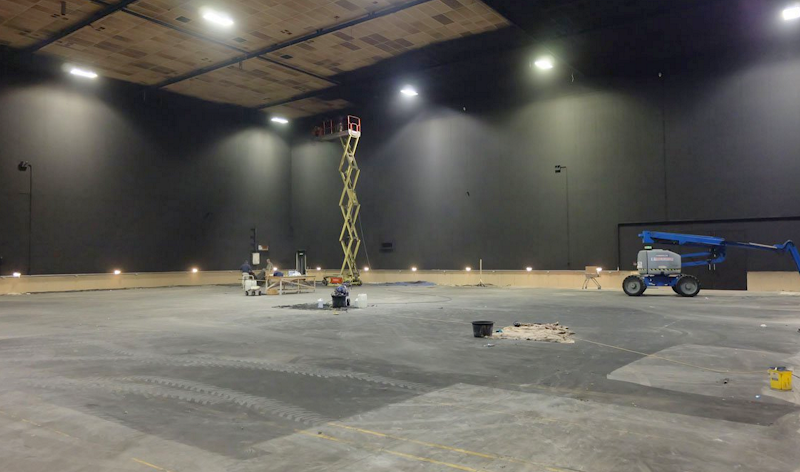
Recently Starz published pictures of the soundstage showing how the different sets were created.   Since one of the most exquisites sets is Claire & Jamie Fraser’s Paris Mansion – I thought I would show you how the soundstage set goes from this:

 image

The empty soundstage in Cumbernauld, Scotland – this soundstage then becomes  Jamie & Claire’s Parisian house:

 image Yes.  That huge, empty soundstage becomes this set – which is so beautiful that when Caitriona Balfe who plays Claire first saw the set, said she wanted to move in here, for good.

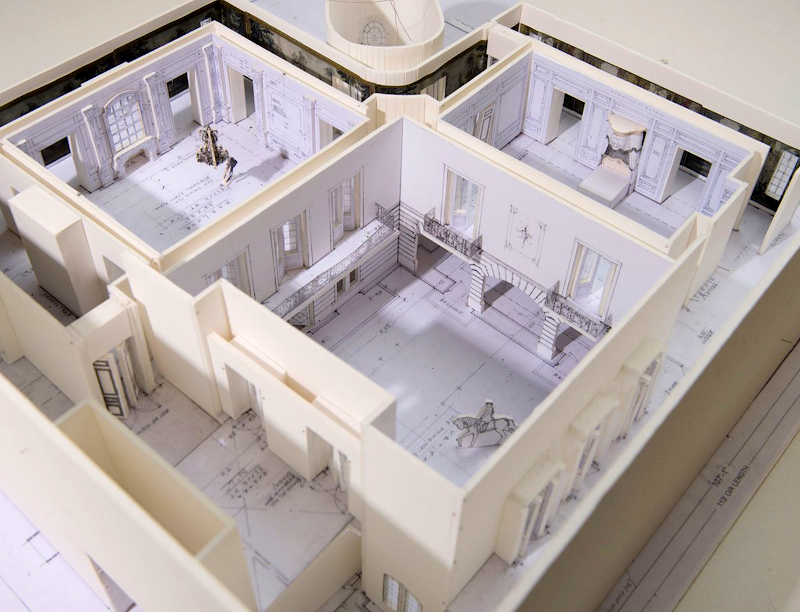
Besides Starz releasing behind-the-scenes photos of the sets, they also showed the working models – something I wish they had done on Season One!


The Production Designer is Jon Gary Steele, who is incredibly talented and the Set Decorator is Gina Cromwell. What’s the difference between the two?   Steele designs the sets themselves – he’s the “architect” – while the Set Decorator actually does the interior design.  She shops for the furniture and accessories, just like any decorator would do. I’ve never really understood the difference before between those two, until I saw the working models and drawings – and realized that the Production Designer is probably an architect, or at least has drafting  experience.

 image

This is the to-scale model of Jamie & Claire’s apartment in Paris.  Jon Gary Steele drew the plans by hand and then had the model made, which is, in turn, used by many of the other departments.   In this plan, there is the 1) Exterior Courtyard 2) Winding Staircase and 3) Two Rooms:   Living Room & Bedroom/Dining Rooms.  The Exterior Courtyard is between the two rooms.  Surrounding it all is a large hall that is completely wallpapered in a tapestry!

 image

This view of the model shows the Exterior Courtyard – in the middle.  The room on the left is the living room.  At the right is the bedroom/dining room.   You can see that the hall behind the rooms has its own tapestry wallpaper – laid out TO SCALE!

 image

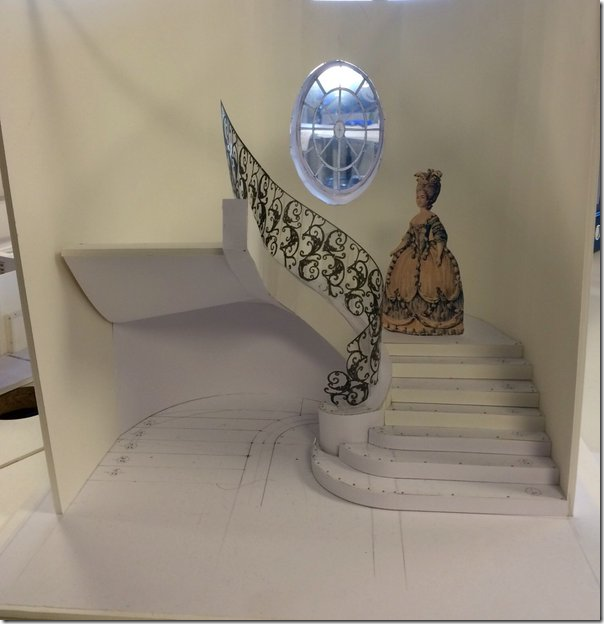
A model of the winding staircase with a to-scale actress to be sure it all is correctly proportioned.  Behind the stairs is a large oval oeil de boeuf window, which is typically 18th century.

 image

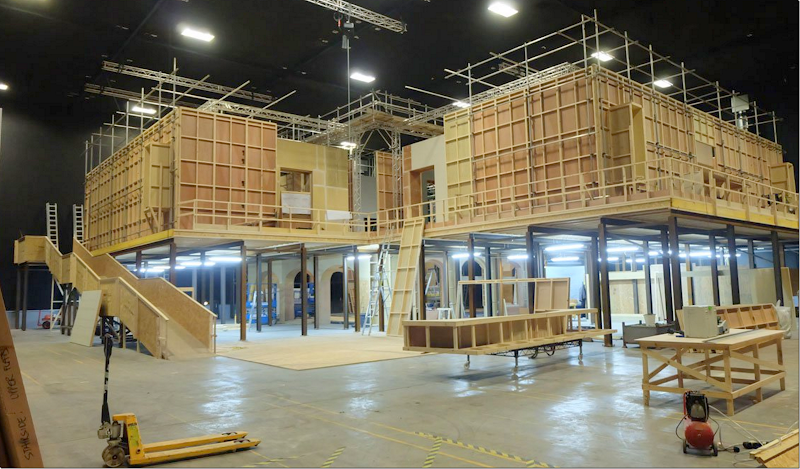
The set is starting to be built.   The rooms are all upstairs so that their French Doors will overlook the courtyard, as they would in real life.
This is the FOURTH soundstage that Starz/Outlander has built in Cumbernauld, Scotland for this series.  Just imagine for a minute the amount of business this one show has brought to this quiet region.

   Cumbernauld, a new Scotland town of 50,000 – was just recently developed in the 1950s as an offshoot of Glasgow.  Once Outlander is canceled (NO!!!) then other movie productions can rent out the soundstage.  Cumbernauld is hoping to become a destination for film, just as Hollywood is, and then Vancouver became, and on and on.

 image

The building of the apartment continues.   In the center – is the Exterior Courtyard which is located on the ground floor.  The apartment is on the second floor, which allows the French Doors to look down onto the courtyard.


Realize, also, that the apartment is just one of four main sets built on these soundstages:  The Apothecary, The Brothel, and Louise’s Apartment are also built from scratch.


 image

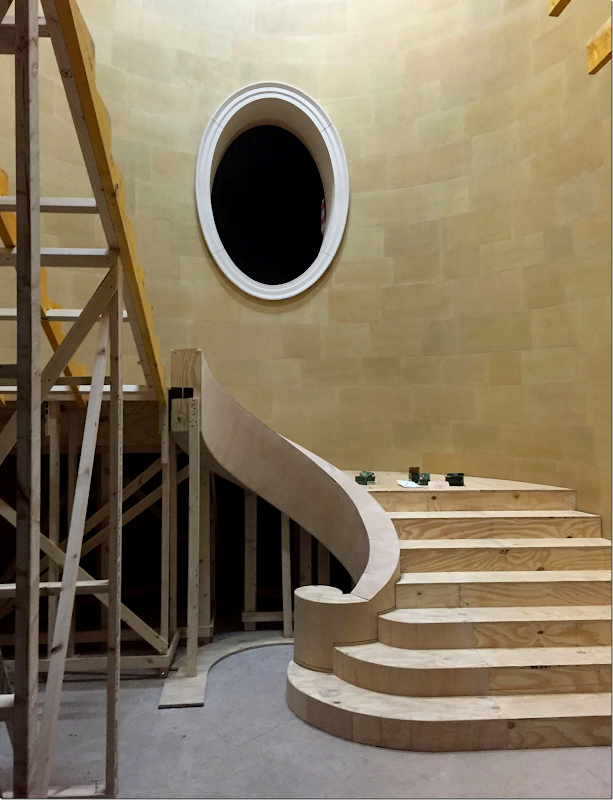
And the scaffolding goes up to build the winding staircase with the oval window.

 image

A peek at the staircase.  This will be where many important scenes will take place.

 image

The two rooms of the apartment – with the exterior courtyard below.  Those are the windows where the French doors will be.

 image

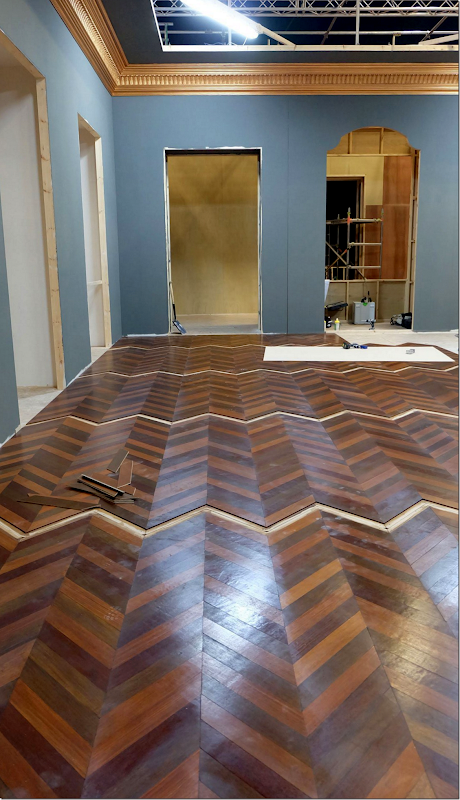
Inside looking out the French doors with their Juliet balconies, overlooking the courtyard.  The walls are painted a French blue/green with gilt moldings.

 image

The crown moldings are gilded, along with pilasters.

 image

Real wood flooring – in a Chevron Pattern.  (Notice, this is not Herringbone.  In Chevron the points meet flush.  In herringbone, the points are staggered:)

Personally, I wish they had chosen to use the Versailles Pattern.  After all, this is 18th century France – and they are hanging out with the King of France at Versailles!  But maybe Versailles Parquet was just TOO expensive to replicate.

 image

The Set Decorator has shown up with fabric to test against the wall color.  How many times have we all done this!!?!

 image

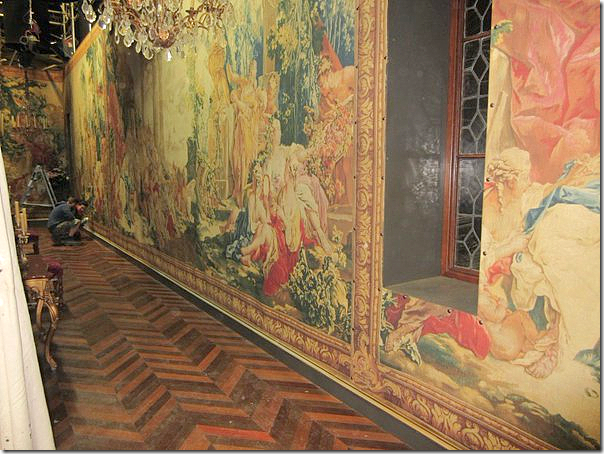
The Hallway:  the tapestry was painted on canvas.  Amazing!   Since it was on canvas, it will be able to be used again on another set.

 image

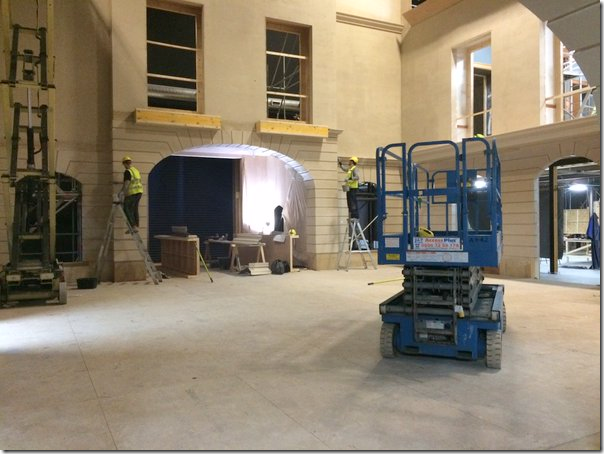
The arch in the Exterior Courtyard is built – the arch is where the carriages drive through.  Above is the apartment, overlooking the courtyard.

 image

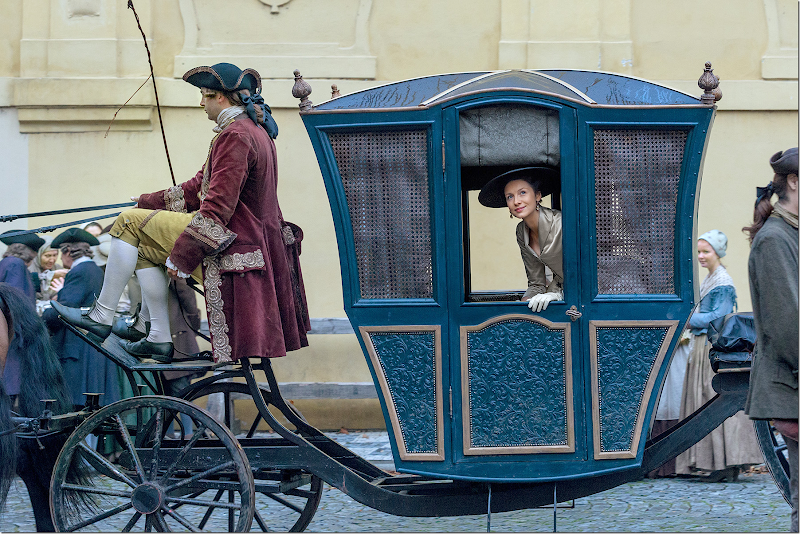
And, here we go!  Claire is in her carriage in the streets of Paris!  Just don’t tell her she is actually in Prague.  Caitriona said when she heard Season 2 was in 18th Century Paris – she was so excited, until she found out they weren’t going to Paris but were going to be filming in Prague and Cumbernauld.  Major disappointment – although everyone ended up loving Prague.

 The Courtyard:

image

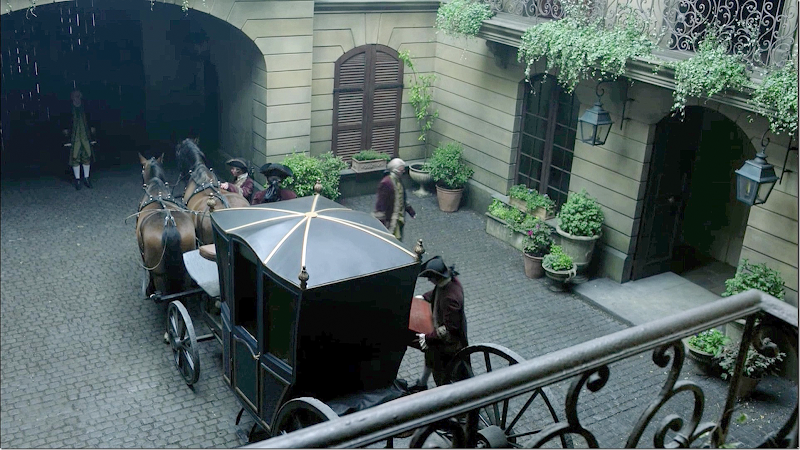
Now, this is Hollywood magic.  Claire’s carriage is seen in Prague – going through the arches to her apartment.  And then…..

 image

Viola!  Her carriages goes through the arch in Prague, and ends up at the Courtyard on Cumbernauld, Scotland’s soundstage.

 image

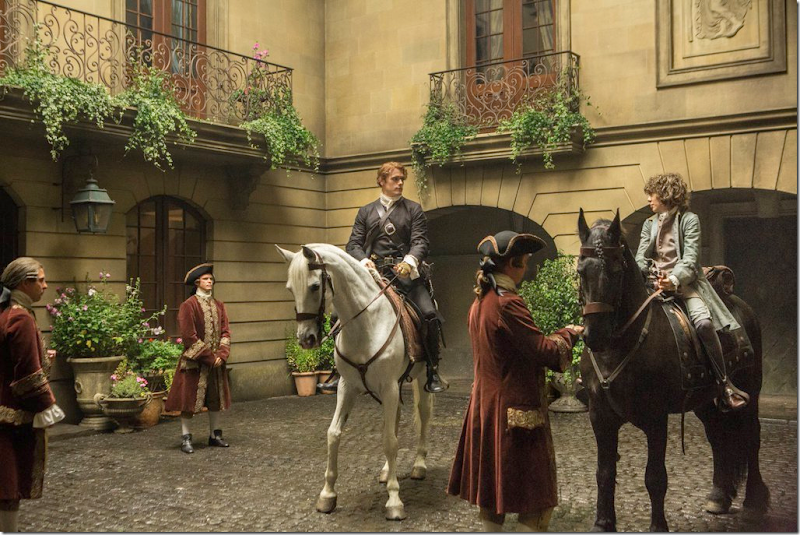
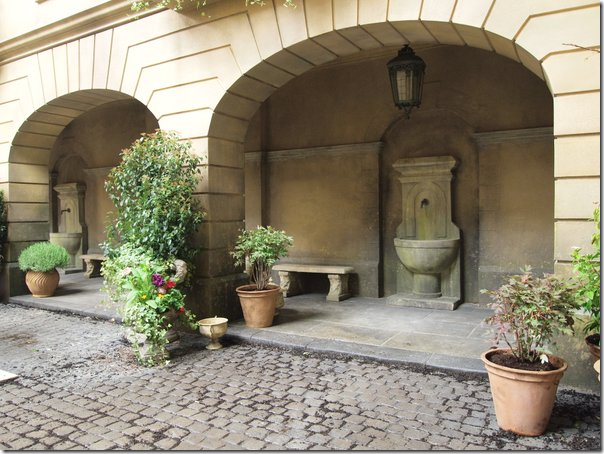
The soundstage Courtyard.  Not quite 18th century cobblestones, but they are a good substitute.

 image

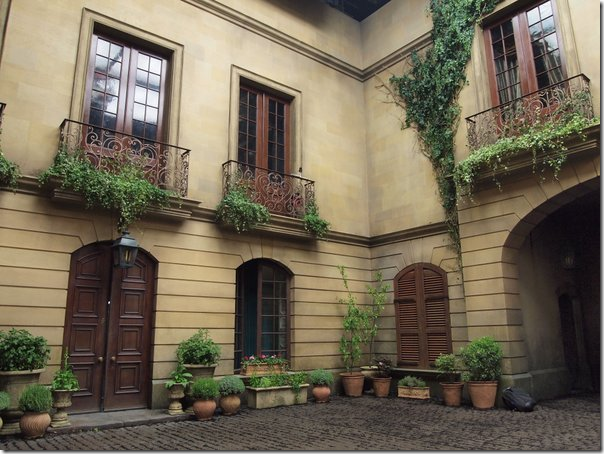
The courtyard.  That’s the front door to the apartment.  I just wish the stone was a bit more cream than beige.  That’s more in keeping with 18th century Paris.


 image

Claire, in her apartment, looking at the courtyard from her Juliet balcony.  I love this “Dior” dress. 

 image

Every detail is thought of:  park benches, fountains, lanterns.

 image

The front door with brass hardware and antique French lanterns.


 The Entry Hall:

image

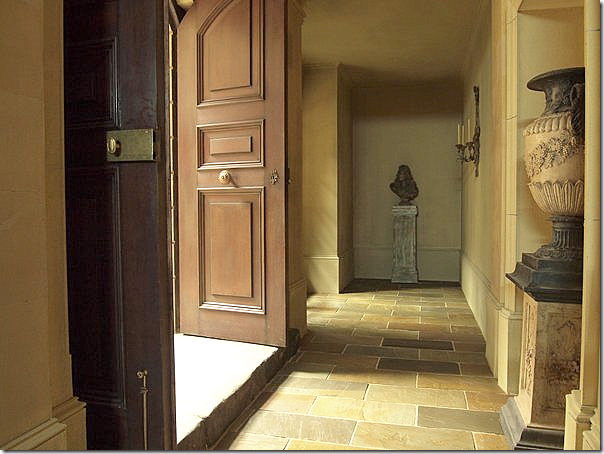
The entry hall – with its stone floor.  The door opens to a niche with a beautiful vase. At the left is a sconce and a bust.

 image

And here – Claire returns home;  her butler lets her in.   She’s not accustomed to such luxury!  Just a month ago she was struggling in the freezing Scotland, and now she is a Lady Of Leisure in Paris, which makes for much conflict.

 The Stairs:

image
<

Available link for download

Read more »

Saturday, November 4, 2017

BAIXAR THE KING OF FIGHTERS A 2012 F Apk Obb MOD v1 0 4

BAIXAR THE KING OF FIGHTERS A 2012 F Apk Obb MOD v1 0 4


Um total de 34 personagens para escolher!! Equipado com seis tipos SINGLE MODE,
permitindo jogar mais com você mesmo!! Realize incríveis combos com operações simples!!
O jogo de luta 2D "THE KING OF FIGHTERS" está agora disponível para Android - e com um volume anteriormente inimaginável!!


Versão atual: 1.0.4
Necessita do Android: 4.0.3 ou superior
Categoria: Luta
Tamanho: 1.13GB

       LINK APK BAIXAR
             OBB :  BAIXAR


Available link for download

Read more »

Sunday, October 29, 2017

BENEFICIOS DE LEER CUENTOS A LOS NIÑOS

BENEFICIOS DE LEER CUENTOS A LOS NIÑOS


      Había una vez…,
      Erase una vez…, 
       ¿Cuántas veces nos han contado un cuento comenzando con estas mágicas palabras cuando éramos pequeños?
     Seguro que todo aquel que haya disfrutado de unos padres que les haya contado cuentos antes de dormir, lo recuerda como algo muy especial, que le causaba un gran placer.

      El cuento es un ritual recomendado por los expertos para lograr que nuestros hijos se relajen y formen una rutina antes de dormir, pero además beneficia a los niñ@s en muchos otros aspectos.


¿Cuáles son los beneficios?

     La lectura a los niños  estimula su creatividad y se ha demostrado que desarrolla su memoria.
      Y lo mejor de todo es que a través de los cuentos se ayuda a potenciar la imaginación de los niños y al mismo tiempo se crean y consolidan lazos afectivos entre los padres y los hijos.

     La imaginación cumple la función de potenciar la creatividad. A través de los relatos, los niños practican habilidades como escuchar, imaginar... Una buena opción para lograr esto es inventar un cuento o dar una nueva versión al cuento que más le gusta a tu hijo, recuerda que tu hijo puede participar de este proceso.

     Es una buena instancia para fomentar la lectura, transmitirles valores positivos o ayudarlos a entender alguna situación difícil a la cual se estén enfrentando.

      El cuento sirve también para complementar de manera creativa la educación de nuestros hijos. Por ejemplo apoyándonos en nuestras propias experiencias durante la niñez, podemos crear una historia y hacer ver a nuestros hijos que están cometiendo algún error, sin necesidad de que se lo digas directamente. Esto se produce porque el niño se identifica con el personaje protagonista de la historia y hace que él reflexiona sobre sus propias actitudes y comportamiento.
     La idea no es reemplazar con esto nuestra manera de educar a los niños, sino que de entregar una herramienta para educar y enseñar a nuestros hijos a reflexionar sobre sus actos.

La importancia de leer en voz alta


       La lectura silenciosa es un fenómeno reciente. Los libros de nuestros antepasados milenarios eran leídos sólo en voz alta y se escuchaban en compañía.            Sin puntos ni comas, leer era un hecho social y los primeros lectores silenciosos resultaron sospechosos para las autoridades pues su aventura solitaria de interpretación y relectura, escapaba al control de quienes mandaban.
         De hecho los signos de puntuación parece ser que aparecieron junto 
con la lectura silenciosa. Por ejemplo, unos monjes amanuenses idearon 
un método para ayudar a los menos capaces que consistía en dividir 
el texto en líneas con sentido, una forma primitiva que ayudaba a los
 lectores menos dotados a identificar el final de un pensamiento.
   Pensemos en lo aburrido y frustrante que puede resultar, 
sobre todo para un niño con dificultades, intentar leer sustituyendo sílabas, 
volviendo hacia atrás, repitiendo sin comprender el mensaje.
  Si la lectura no aporta diversión es inútil despertar 
su interés por leer...


   Entonces ¿qué hacer?    La mejor forma de acercar a los niños con
 dificultades al placer de la lectura es leerles en voz alta.

    Regalarles nuestro tiempo y leerles hermosos y divertidos cuentos,

 parándonos cuando haga falta y preguntarles si les gusta, para que atentos
 a lo que escuchan, disminuya la distancia que los separa de la palabra impresa.
¿Cómo leer un cuento a un niño?
    Para empezar a contar cuentos a los niños es recomendable considerar algunas pautas:
1- Elegir un buen momento para contarle un cuento: antes de dormir, después de comer…

2- Es aconsejable que los cuentos tengan ilustraciones para que los niños puedan visualizar lo que están escuchando.

3- Es importante charlar con el niño sobre el cuento que le estás contando, y contestar todas las preguntas que haga él.

4- Utilizar recursos como la voz para diferenciar cada personaje del cuento. Será más divertido para ambos.

Leer cuentos a los niños ayuda a potenciar su inteligencia.
¿Sabias que tu bebe puede aprender a leer en su etapa de infancia?  Se necesita dedicación, sacrificio y estar bien documentados para realizar los pasos correctos. 
Datos prácticos:
- Puedes revisar en internet sitios web con cuentos interactivos
- Otra opción es también imprimir un cuento y leerlo con tu hijo/a.


Foto: El Mercurio

Leer cuentos a los niños desarrolla su memoria.
       Generalmente los niños durante la infancia, especialmente entre las edades de 3 a 5 años les gusta que les repitas el mismo cuento cuando recién has terminado de leérselo. Para algunos padres el tener que repetir el mismo cuento, la misma canción, etc., resulta agotador. El hecho de que los niños deseen que repitamos una y otra vez la misma historia, es un deseo positivo, que trae muchos beneficios a los niños.
     Esa es la conclusión de un reciente estudio realizado por la Universidad de Sussex, Reino Unido.

      En la investigación, que duró una semana, se dividió a varios niños de 3 años en dos grupos, que tenían la tarea de aprender palabras nuevas. Estas palabras eran inexistentes. Se usó, por ejemplo, la palabra “sprock” para referirse a una herramienta para mezclar comida. Los niños de un grupo escucharon tres historias infantiles diferentes con las palabras inventadas, mientras que los niños del otro grupo escucharon siempre la misma narración con las palabras inventadas.
   Los resultados demostraron que los niños que habían escuchado siempre el mismo relato recordaban mejor las nuevas palabras que los niños del otro grupo. La conclusión es que repetir los mismos relatos varias veces es una excelente gimnasia para fortalecer la memoria de los niños.

       EN RESUMEN:
       Contar un cuento a los niños, además de entretenerles y educarles, trae beneficios a su desarrollo porque estimulan sus habilidades comunicativas, enriquecen su vocabulario, potencian su capacidad de comprensión, fantasía e imaginación, despiertan el placer de la lectura, y refuerzan su memoria. 
        Otros estudios han señalado que la repetición de la misma historia, aporta una valiosa información al niño sobre las relaciones personales. Es ahí donde nace la necesidad y el hábito de los niños de repetir, imitar en sus juegos lo que ha visto, escuchado o leído de un cuento. Es su forma de simbolizar, de vivir las informaciones que recibe.

Fuente: Diferentes páginas de internet.


Available link for download

Read more »